
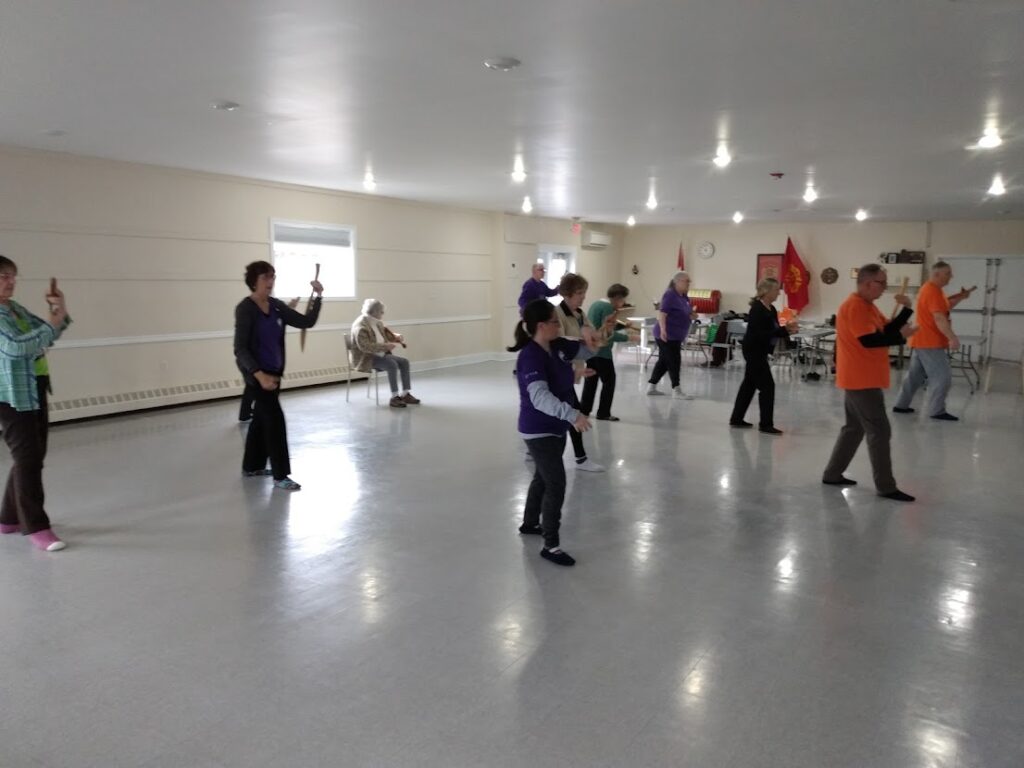
The way we begin our day sets the tone for our thoughts, emotions, and energy. Morning movement helps:
- Regulate the nervous system
- Reduce anxiety and mental rumination
- Improve focus and emotional resilience
- Create a sense of agency and stability
Unlike high‑intensity exercise, Tai Chi meets the body where it is—especially important during winter months when energy may feel lower and emotions more inward.
Practiced consistently, Tai Chi becomes a moving meditation, supporting mental health through rhythm, repetition, and presence.
Three Simple Tai Chi Practices for Morning Clarity
These three practices can be done in as little as 10–15 minutes and are suitable for all ages and abilities. They can be practiced standing or seated, making them ideal for home, workplace, or community settings.
1. Commencement: Arriving Fully in the Day
Commencement is the opening movement of many Tai Chi forms and serves as a powerful ritual of arrival.
This practice helps:
- Set intention for the day
- Ground scattered thoughts
- Connect breath with movement
Begin standing or seated with feet grounded. As you inhale, gently raise the arms; as you exhale, allow them to float down. Let the breath lead the movement. Imagine placing your attention gently into the present moment—no urgency, no striving.
Commencement reminds us that mental clarity begins with slowing down.
2. Seated Don Yu: Nourishing the Nervous System
Don Yu is a foundational Tai Chi movement that supports spinal fluidity and energetic circulation. Practiced seated, it becomes an accessible and deeply calming practice.
This movement:
- Encourages gentle spinal wave motion
- Supports vagal tone and nervous system regulation
- Releases tension held in the back and shoulders
As you inhale, allow the spine to lengthen; as you exhale, soften and round slightly. Move slowly and with awareness. This rhythmic motion signals safety to the body, helping quiet anxious thoughts and emotional overload.
Seated Don Yu is especially supportive for those managing stress, fatigue, or chronic pain.
3. Spine Rotation: Releasing Mental and Emotional Tension
The spine holds both physical and emotional tension. Gentle rotational movements help restore mobility while encouraging mental flexibility.
Spine rotation supports:
- Improved circulation to the brain
- Release of stored stress
- Greater ease in decision‑making and focus
With soft, flowing movements, allow the torso to rotate side to side, led by breath rather than force. Imagine tension unwinding with each rotation.
This practice helps us let go—physically and mentally—creating space for clarity and insight.
Building a Sustainable January Routine
Consistency matters more than duration. Even a few minutes each morning can create noticeable shifts in mood, focus, and emotional resilience.
Pairing Tai Chi with a warm beverage, a moment of stillness, or intentional breathing can turn morning movement into a mental health ritual rather than another task on the to‑do list.
Join a Supportive Tai Chi Community
Practicing in community strengthens accountability and connection—two key pillars of mental health.
You’re invited to join:
- Tai Chi Cape Breton, offering classes throughout the week for beginners and experienced practitioners
- A new Tai Chi class in Baddeck, expanding access to gentle movement and mental wellness, see poster below.
- Wine Country Tai Chi Society in West Kelowna and Peachland, BC, supporting health, balance, and longevity through mindful movement
These programs welcome all bodies, all ages, and all levels of experience.
Moving Forward with Intention
January is not about pushing forward—it’s about aligning gently. Tai Chi reminds us that mental clarity emerges through patience, presence, and connection.
As we honour Mental Health Month, may these simple practices support steadiness, ease, and renewed clarity—one mindful movement at a time.
Your body knows the way. Let it lead.
